Same artist, same format, same week. Both found buyers, but only one attracted bidding beyond its estimate. Their results capture the tension running through the biggest auction event of the year. Turnover rose, but how widely did that momentum extend?
Across the big three auction houses, eight core Modern and Contemporary evening and day sales, excluding standalone private collection auctions and Christie’s Impressionist and Works on Paper sales, generated approximately $1.12 billion at hammer, about 30% more than their equivalents last year. That offers a different perspective from the auction headlines dominated by major private collections. Even with those standalone sales removed, turnover increased substantially. But higher turnover does not necessarily mean higher prices for comparable works.
For print collectors, the more revealing evidence came from individual portfolios, familiar images returning to auction and the estimates against which buyers were prepared to compete.
Warhol’s Complete Sets Met Different Expectations
Recent auction history puts the two Warhol results into perspective.
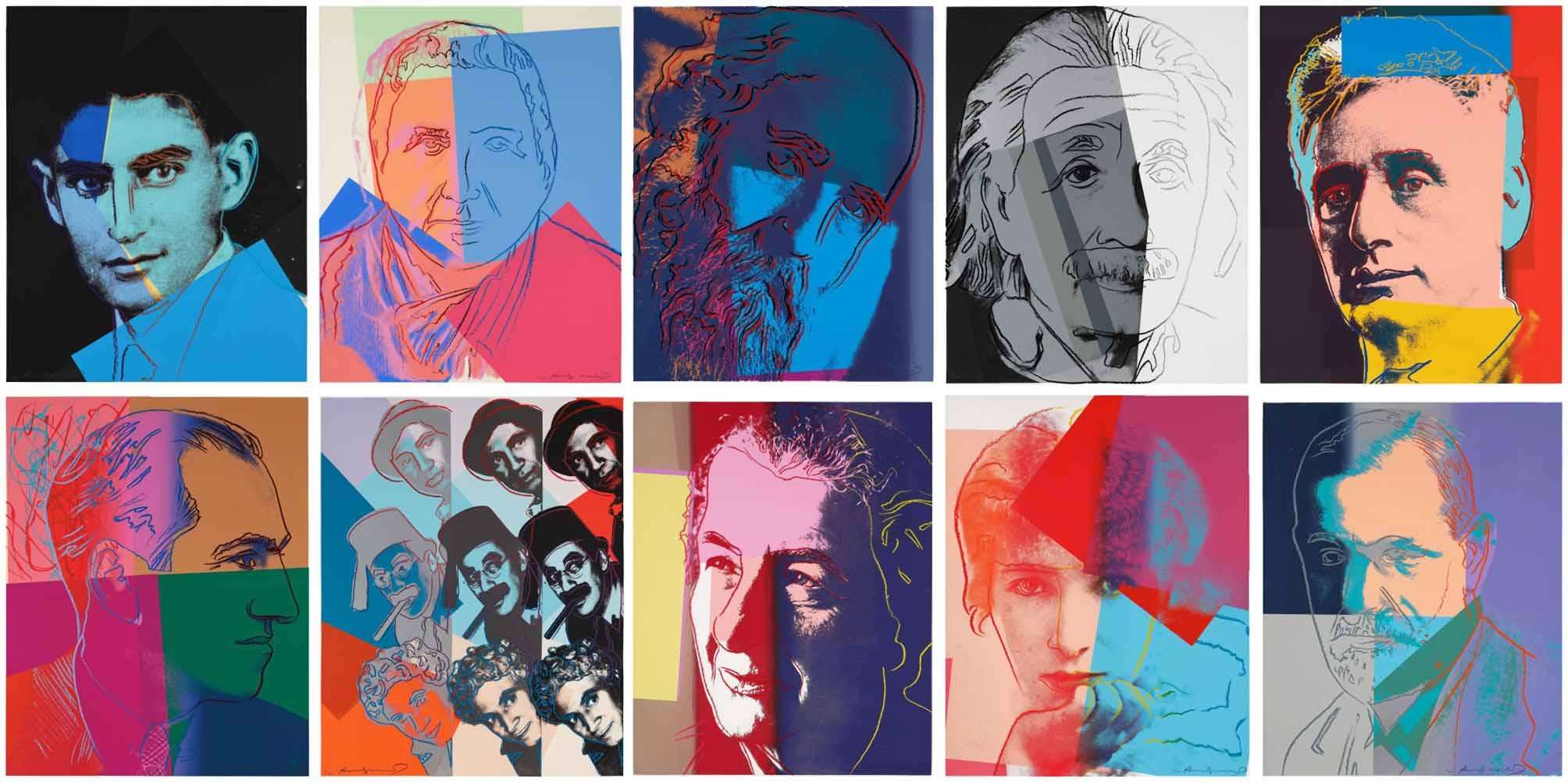
A complete set of Ten Portraits of Jews hammered at €508,500, approximately $590,000, at Dorotheum in November 2025. Earlier examples had made $750,000 at Sotheby’s in 2022 and €870,000, approximately $940,000, at Dorotheum in 2024. Phillips’ $600,000 high estimate sat close to the latest, lower result. Its $850,000 hammer recovered much of the gap, exceeding the 2022 result while remaining below the 2024 sale.
Endangered Species entered the week against a different benchmark. A complete standard set had hammered at $3.6 million in November 2024. This year’s estimate began below that level, yet bidding stopped at the $2.5 million low.
The portfolios differ in subject, edition size and the characteristics of the impressions offered, so neither result explains the other. What they do demonstrate is the distinction between beating an estimate and repeating a previous price. Ten Portraits of Jews did the former without reaching its earlier high, while Endangered Species sold within expectations at a lower level than the 2024 example.
These complete portfolios occupy a different price bracket from Warhol’s individual prints, bringing them into evening sales alongside paintings and sculpture. Endangered Species’s Beverly Grossman provenance, like many named provenances in a mixed evening catalogue, was easy to lose among the night’s bigger names. More telling is where the two sets fell in their sales. Both came up among the last lots of the evening, when rooms tend to thin. From that slot, Ten Portraits of Jews still drew bidding 42% past its high estimate, while Endangered Species stopped at its low. A late position can cost a lot momentum, but it did not decide these two results.
Bigger Evening-Sale Totals Concealed Uneven Bidding
New York’s evening sales set the tone for the auction season, but their influence on expectations extends well beyond the paintings being sold. For print collectors, the question is whether those larger totals signal stronger demand across the artists they collect.
This November, the answer was less straightforward than the headline growth suggested. Christie’s 20th and 21st Century evening sales, Sotheby’s The Now & Contemporary auction and Phillips’ Modern & Contemporary evening sale generated approximately $949 million at hammer, yet finished around 3% below their combined presale low estimate. A quarter of sold lots exceeded their high estimates, including lots later withdrawn. A quarter of sold lots exceeded their high estimates, while 31% hammered below their lows and 11% of offered lots went unsold.
There were clear successes. Phillips exceeded its low estimate, although Modigliani’s Tête alone contributed 45% of its hammer total. That concentration matters immensely, because one exceptional work can transform an auction’s result without telling us much about the response to the rest.
Guarantees also helped to underpin the sales, covering roughly half or more of the lots in three of the four evening auctions. These arrangements secure sellers and bring important material to market, but a sale backed by a prearranged commitment is different evidence from bidding that develops beyond expectations.
For print collectors, these results provide the backdrop, rather than a new benchmark for their own works. A stronger evening-sale total does not automatically reset the price of a Warhol portfolio or a Hockney edition. Those markets need to be read through their own results, and November supplied some revealing comparisons.
Hockney Editions Found Competition Below Earlier Highs
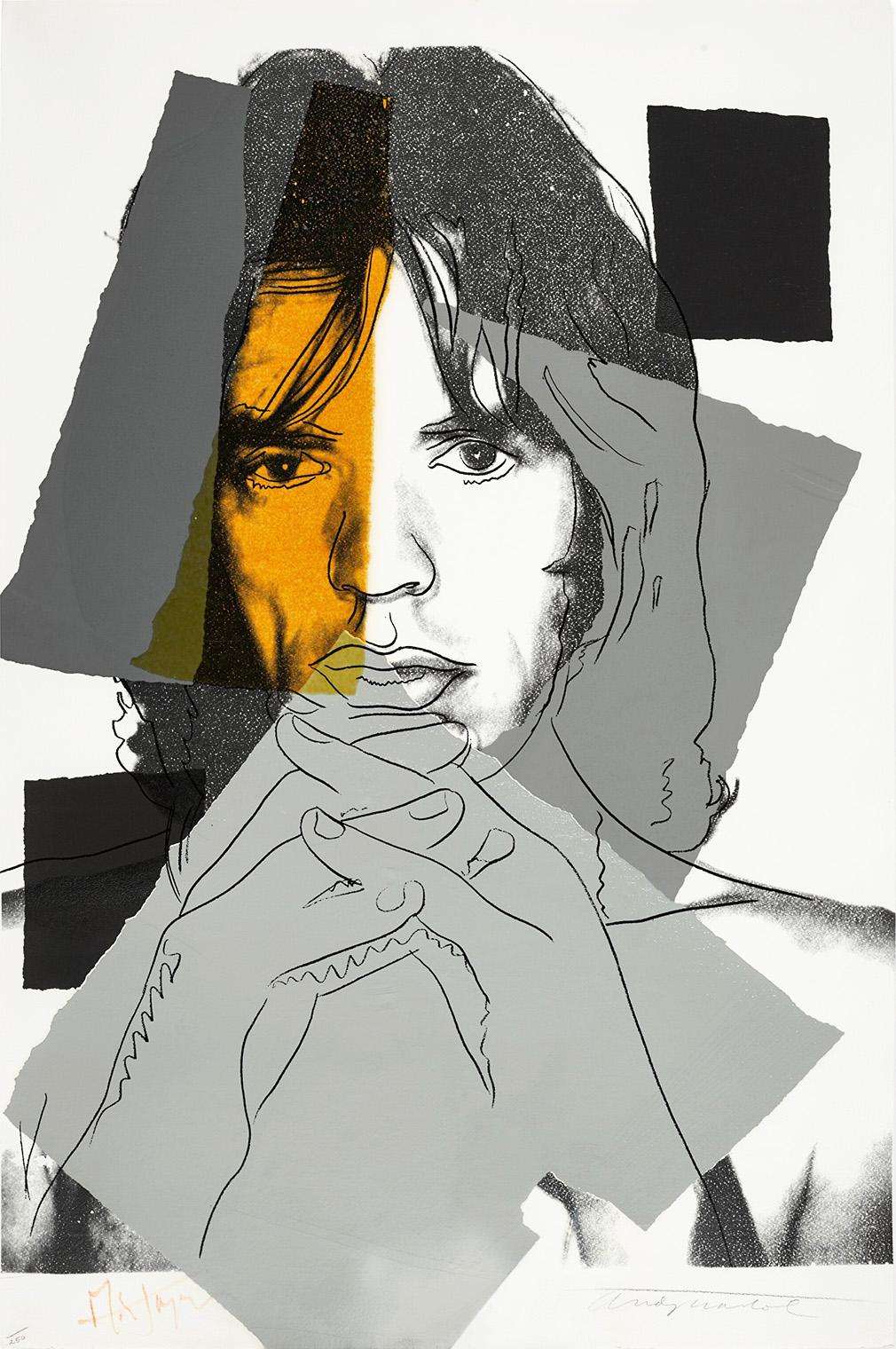
David Hockney provided one of the week’s clearest comparisons between headline value and bidding against expectations.
At Phillips, David, Celia, Stephen and Ian, London 1982 hammered at $10 million, the bottom of its presale estimate range. In Christie’s day sale, two Arrival of Spring editions produced different responses.
Both 31 May, No. 1 and 27 April came from editions of 25 and carried estimates of $200,000–$300,000. 31 May, No. 1 hammered at $370,000, 23% above its high estimate. 27 April made $280,000, within estimate.
The same images had appeared in London within the previous 13 months. 31 May, No. 1 hammered at £350,000 at Sotheby’s in March, while 27 April reached £320,000 in October 2025. Those impressions appeared in Sotheby’s curated releases, which concentrated attention on the series and established new benchmarks.
Christie’s offered a useful test outside that setting. Both prints found buyers, and one cleared its high estimate. In sterling, though, 31 May, No. 1 made about £282,000 against London’s £350,000, and 27 April about £214,000 against £320,000. Demand held, but the premium those curated London sales achieved did not carry over to a mixed day sale in New York. The lower estimates left room for competition without requiring buyers to repeat those exceptional levels.
Nor was the strongest estimate performance confined to Arrival of Spring. From the Clive Davis Collection, In the Studio, December 2017, a photographic drawing from an edition of 25, hammered at $150,000 against an estimate of $60,000–$80,000, almost 88% above the high.
These results suggest continued appetite across different parts of Hockney’s editioned work. They also show that a successful auction result doesn’t have to be defined by a headline or a new auction record.
The Hockney Print Report examines the repricing of Arrival of Spring and its position within his wider print market.
Warhol’s Mick Jagger and Ruscha Drew Different Bidding
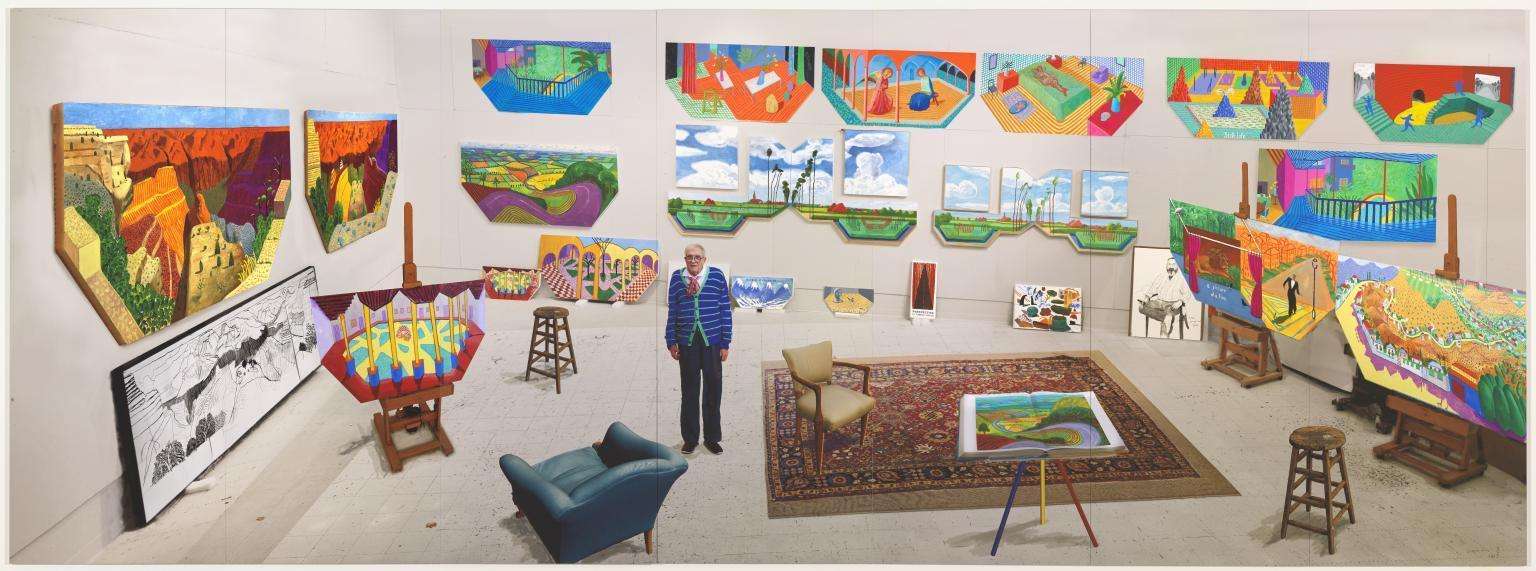
Beyond the big three’s marquee evening and day sales, the dedicated print auctions offered further evidence of selective bidding. Warhol’s Mick Jagger prints appeared at Phillips, Hindman and Bonhams within five weeks. All three were individual prints. No complete set of the ten has appeared at auction since Sotheby’s New York in October 2022. At Bonhams’ New York Prints & Multiples sale on 10 November, Mick Jagger (F. & S. II.147) hammered at $55,000 against an estimate of $60,000–$80,000.
The result sits within a longer adjustment. MyArtBroker data shows that the typical hammer price across individual Mick Jagger prints peaked at approximately £95,000 in 2022 and settled at around £62,000–£65,000 from 2024. That series-level measure provides context, although individual images and impressions command different prices.
Frequent offerings also give buyers alternatives, making the relationship between estimates, recent comparables and other available works particularly relevant. That does not necessairly establish oversupply, but it does give collectors more opportunities to compare before committing.
At the same Bonhams auction, Ed Ruscha’s Cheese Mold Standard with Olive, from an edition of 150, hammered at $150,000 against an estimate of $60,000–$80,000, almost 88% above the high estimate.
What Comes Next for the Print Market?
November’s growth extended beyond the standalone private collections, but the increase in turnover was clearer than any broad movement in prices. Guarantees and a handful of valuable works underpinned the evening sales. Elsewhere, bidding was more varied than the season’s total could convey.
The distinction was not simply between trophy works and everything beneath them. Hockney’s photographic edition and Ruscha’s print attracted substantial bidding above estimate, while familiar Warhol images met a more measured response. Even within established artists’ markets, buyers were making different decisions about particular works.
This leaves a more interesting question for the coming season than whether another collection can produce a billion-dollar week. Can competition extend across the material collectors encounter regularly, including works available in several impressions and at different auction houses?
That is where the middle market deserves closer scrutiny. Its direction will emerge through a succession of transactions, with different images, estimates and levels of supply. November offered evidence of buyers willing to stretch beyond expectations, alongside others holding back. Whether that competition spreads will tell us more about the breadth of the recovery than another exceptional lot lifting the total.



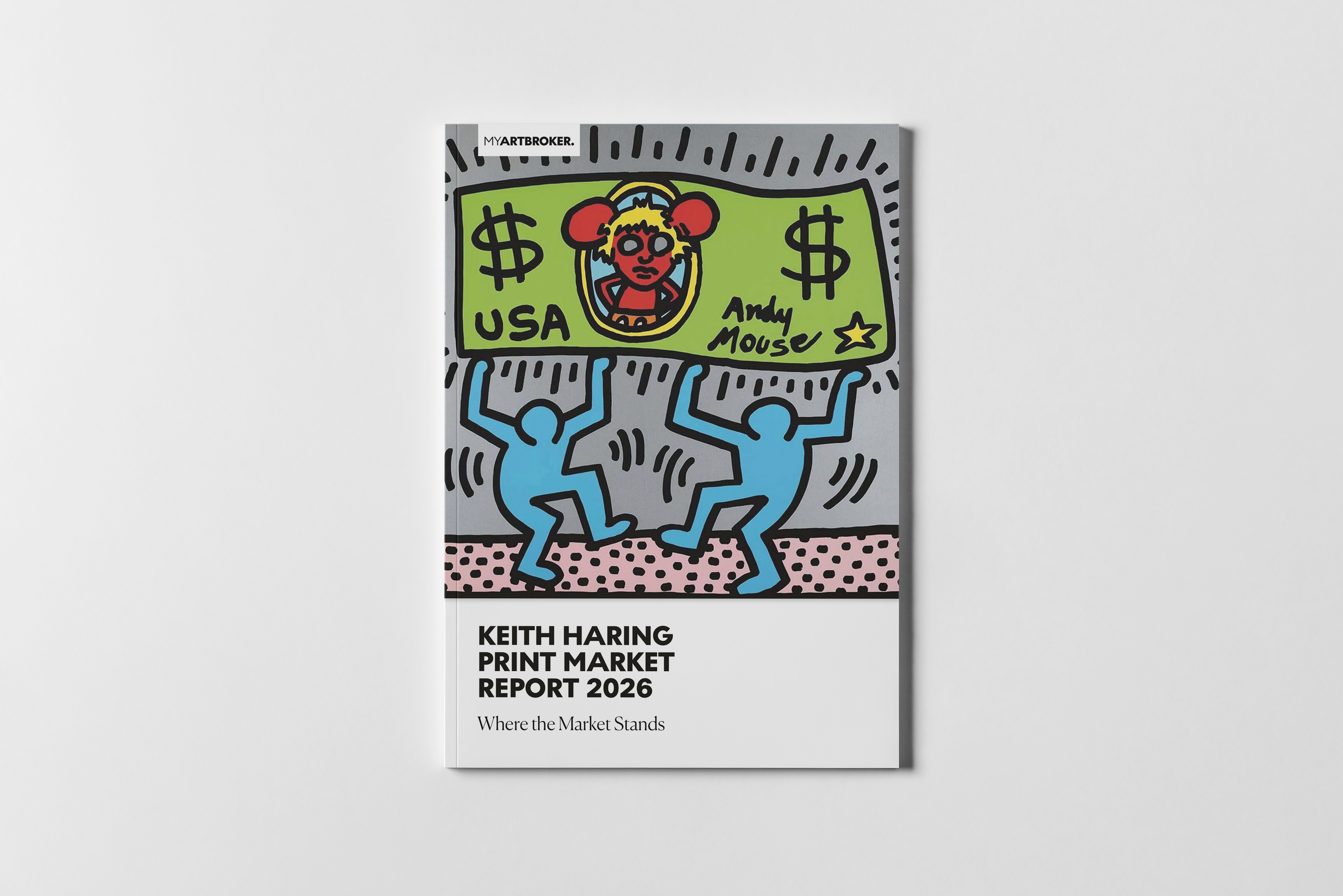
The Keith Haring Print Market Report 2026
Where the market stands, from a record Andy Mouse to steady Pop Shop prices
Keith Haring’s individual prints made £2.38 million at auction by end of October 2026, 72% more than the same period last year. Most of the rise came from a few rare works, and repeat sales rose a median of just 3%. Here’s what that means for buyers and sellers.